

Paid search and SEO work best together, not in competition. While paid search delivers immediate visibility through advertising spend and SEO builds long-term organic rankings without direct costs per click, treating them as an either-or decision leaves significant opportunity on the table. Businesses that integrate both strategies consistently outperform those relying on just one, capturing more qualified traffic, dominating search results pages, and gathering insights from each channel that strengthen the other.
The choice between paid search and SEO often feels like a budget battle. Decision-makers at small and medium-sized businesses face pressure to allocate limited marketing dollars wisely, and the apparent trade-off between paying for clicks now versus investing in organic rankings later creates real tension. Yet this framing misses what actually happens when search strategies work properly.
Paid search, through platforms like Google Ads, puts your business at the top of search results within hours. You bid on keywords, write compelling ads, and pay only when someone clicks. SEO requires building authority through quality content, technical optimization, and earning credibility signals that search engines trust. Results take months, not days, but the traffic costs nothing per visit once you rank.
What business owners discover through experience is that these strategies feed each other. Paid search data reveals which keywords actually convert customers, informing smarter SEO priorities. Strong organic rankings reduce cost-per-click in paid campaigns while improving ad quality scores. Together, they create multiple touchpoints that build recognition and trust as potential customers research solutions.
The real question isn’t which strategy to choose. It’s how to deploy both in proportion to your goals, timeline, and resources.
Understanding the Fundamentals: What SEO and Paid Search Actually Do
How Search Engine Optimization Builds Long-Term Visibility
Search Engine Optimization works like compound interest for your online presence. You invest time and effort upfront, and those efforts continue delivering returns for months or years afterward, without ongoing ad spend.
SEO improves your website’s visibility in organic (unpaid) search results through three core pillars. First, content quality: creating valuable, relevant pages that answer what people actually search for. When your content genuinely helps visitors, search engines recognize that value and rank you higher. Second, technical optimization: ensuring your site loads quickly, works flawlessly on mobile devices, and follows SEO starter guide basics that search engines can easily understand. Third, authority building: earning recognition through backlinks from reputable sites, positive user signals, and demonstrated expertise in your field.
Unlike paid ads that stop working the moment you stop paying, SEO compounds over time. A well-optimized page you publish today can attract visitors for years. Rankings typically take three to six months to develop meaningfully, but once established, they’re far more stable than ad positions.
This timeline makes SEO perfect for building credible, sustainable visibility. When potential customers see your business ranking organically, they perceive you as an established authority rather than just another advertiser. You’re not renting visibility, you’re building equity in your digital presence that grows more valuable with consistent effort.
How Paid Search Delivers Immediate Traffic
Paid search puts your business at the top of search results the moment your campaign goes live. Unlike SEO, which requires months of effort before you see meaningful traffic, paid search platforms like Google Ads deliver clicks within hours of launching your first campaign.
The model is straightforward: you bid on keywords relevant to your business, create ads that appear above organic results, and pay only when someone clicks. This pay-per-click approach means you’re investing in actual visitors, not just visibility. You set your budget, choose your target audience, and watch traffic arrive.
What makes paid search particularly powerful is the precision it offers. You can target people based on their location, the time of day, the device they’re using, and even their previous interactions with your website. A plumber in Calgary can ensure their ads appear only to Calgary residents searching during business hours. A landscaping company promoting spring services or a retailer running a holiday sale can’t afford to wait. Paid campaigns let you dominate search results during your peak windows, then scale back when demand drops.
The immediate feedback loop is invaluable. You’ll know within days which keywords drive conversions, what ad copy resonates with your audience, and whether your landing pages convert visitors into customers. This real-time data lets you refine your approach continuously, eliminating wasteful spending and doubling down on what works. For businesses that need results now, whether launching a new product, promoting a time-sensitive offer, or entering a competitive market, paid search delivers.
The Real Cost Difference (And Why It’s Not What You Think)

The biggest misunderstanding about SEO vs paid ads isn’t which costs more. It’s how the investment works over time.
Most business owners think of SEO as “free” because you’re not paying per click. That’s misleading. SEO requires consistent investment in content creation, technical optimization, and often professional expertise. A comprehensive SEO strategy typically costs Canadian businesses between $1,500 and $5,000 monthly, depending on competitiveness and scope. The difference is where that money goes: you’re building assets that continue generating value long after the initial investment.
Paid search appears expensive because you see every dollar leaving your account. A competitive keyword in Toronto might cost $8 to $25 per click. Run that for a month, and you could easily spend $3,000 to $10,000. But here’s what that buys: immediate visibility, precise targeting, and complete control. Turn off the campaign, and the traffic stops. Keep it running smartly, and you get predictable, measurable results.
The real cost difference emerges over 12 to 24 months. Consider a business investing $3,000 monthly in each strategy:
| Factor | SEO | Paid Search |
|---|---|---|
| Initial Investment | $2,000-$5,000+ monthly | $500+ monthly (scalable) |
| Time to Results | 3-6 months | Immediate |
| Ongoing Costs | Moderate, decreasing over time | Continuous for sustained traffic |
| Longevity of Results | Compounds and persists | Stops when budget stops |
| Best For | Long-term growth, authority | Quick wins, testing, control |
After six months, paid search has delivered consistent traffic but built no lasting assets. Your SEO investment, however, has created content that ranks, earns links, and attracts visitors without ongoing ad spend. By month 12, many businesses find their SEO traffic costs half what paid search does per conversion. By month 24, that gap widens further.
Here’s the part nobody mentions: the cheapest approach is usually neither strategy alone. It’s both, strategically balanced. Use paid search to generate revenue and data while SEO builds momentum. As organic rankings improve, shift budget toward maintaining and expanding that presence. You end up with lower overall customer acquisition costs and more stable, predictable growth than either strategy delivers independently.
When to Use SEO, Paid Search, or Both
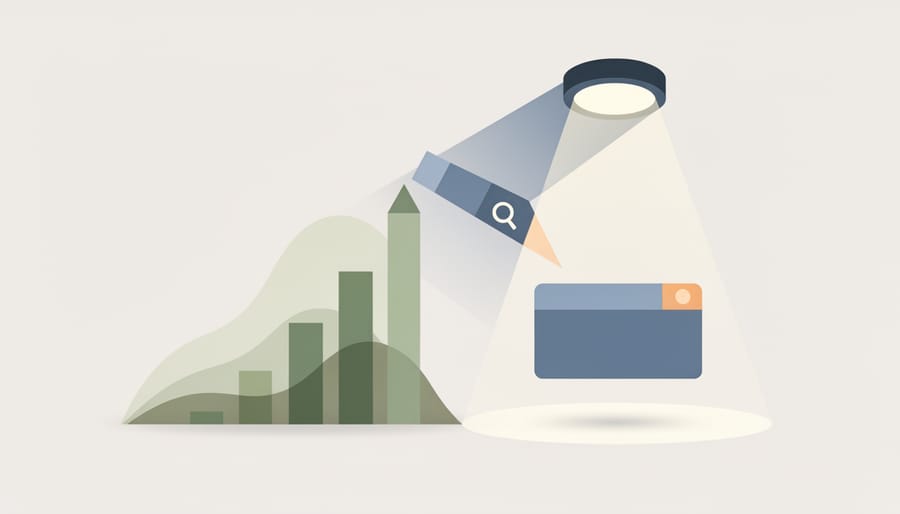
Scenarios Where SEO Takes the Lead
SEO becomes your strongest investment when certain business conditions align. If you’re working with a constrained marketing budget, SEO’s compounding returns make it the smarter choice, unlike paid search where visibility stops the moment you pause spending, organic rankings continue delivering traffic without ongoing ad costs.
Businesses with established industry presence benefit enormously from SEO because they already possess the credibility and authority search engines reward. If you’re creating educational content, guides, tutorials, research-driven resources, SEO naturally amplifies this work since Google prioritizes helpful, in-depth content that answers searcher questions.
Companies with longer sales cycles see particular value in SEO. When prospects research extensively before buying, building organic visibility across their entire decision journey nurtures relationships over weeks or months. This patient approach works perfectly for qualified B2B leads where trust develops through multiple touchpoints.
Finally, if brand authority matters to your business goals, establishing thought leadership, competing against larger players, or becoming the recognized expert in your field, SEO’s credibility signals far outweigh paid placements. Organic top rankings communicate trustworthiness in ways ads simply cannot replicate.
Scenarios Where Paid Search Wins
Paid search becomes your most powerful tool when timing matters more than gradual growth. If you’re launching a new product or business, waiting months for SEO momentum means losing critical early sales, paid ads put you in front of potential customers immediately, letting you build awareness and revenue while your organic presence develops.
Seasonal businesses face similar urgency. A landscaping company promoting spring services or a retailer running a holiday sale can’t afford to wait. Paid campaigns let you dominate search results during your peak windows, then scale back when demand drops.
When you’re competing for high-value keywords already dominated by established competitors, paid search levels the playing field. Your ad can appear above even the strongest organic listings, giving you visibility that might take years to earn through SEO alone.
Paid search also shines for market testing. Before investing heavily in content and SEO for an unproven market or product, run targeted ads to validate demand, refine messaging, and gather conversion data, all within weeks rather than months.
Why Integration Creates the Strongest Results
The most successful businesses don’t view SEO and paid search as competing budget items, they recognize that integration multiplies results beyond what either strategy achieves alone. When you run paid campaigns while building organic presence, you maintain consistent visibility during the months it takes for SEO to gain traction. This prevents the revenue gap that occurs when businesses pause advertising to “wait for SEO to work.” You also dominate search results pages by appearing in both paid and organic positions, dramatically increasing click-through rates and establishing market authority. The data flows both ways: paid campaigns reveal which keywords convert immediately, guiding your content strategy, while organic insights identify high-value topics worth advertising spend. This creates multiple touchpoints with potential customers throughout their research journey. Companies using B2B SEO services alongside paid search typically see 25-40% higher overall conversion rates than those relying on a single channel, because prospects encounter consistent messaging across paid and organic results, building trust faster than either approach delivers independently.
How SEO and Paid Search Actually Work Together
Using Paid Search Data to Inform Your SEO Strategy

Your paid search campaigns generate valuable intelligence that most businesses completely ignore when planning their SEO strategy. Every click, conversion, and bounce in Google Ads reveals exactly what your audience searches for and which messaging converts them into customers.
Start with conversion data. If certain keywords consistently drive sales through paid ads, prioritize creating comprehensive organic content around those terms. When you notice specific search queries generating more qualified leads build dedicated landing pages and blog content targeting those phrases organically.
User behavior metrics tell you which ad copy resonates. High click-through rates indicate compelling headlines and descriptions worth adapting for your meta titles and descriptions. Low bounce rates signal that your landing page content matches search intent, a critical SEO ranking factor.
Geographic and demographic data from paid campaigns reveal unexpected audience segments. If conversions spike in specific regions or age groups, tailor your SEO content to address those markets directly. This focused approach builds relevance signals that improve rankings where they matter most for your business.
Using SEO Insights to Improve Paid Campaign Performance
Your organic search data contains invaluable insights that can dramatically reduce wasted ad spend and improve campaign performance. Start by analyzing which pages already rank well organically, these demonstrate proven relevance and user intent alignment, making them excellent candidates for high-performing landing pages in your paid campaigns.
Google Search Console reveals the queries driving organic traffic and their click-through rates. Keywords with strong organic impressions but lower CTRs often signal commercial intent that paid ads can capture immediately. Similarly, pages with high organic engagement rates typically convert better as paid landing pages because they already resonate with searchers.
Your organic keyword rankings also identify content gaps where paid search can fill visibility needs. If you rank well for informational terms but struggle with commercial variations, targeted ads bridge that gap while you build organic authority.
The most underutilized insight is page performance data. Pages with low bounce rates and strong time-on-site metrics in organic search usually achieve better quality scores in paid campaigns, which lowers your cost-per-click. Use your best-performing organic content as the foundation for ad landing pages, adapting the messaging to match paid search intent.
Building Your Strategic Approach for 2026
Creating an effective search strategy for 2026 doesn’t require a massive budget or a team of specialists. What matters most is starting with a clear plan that acknowledges your business realities and builds from there.
Start by assessing your current position honestly. Where does your website rank for terms your customers actually search? What traffic are you getting now, and where does it come from? This baseline tells you whether you need quick wins through paid search while building SEO foundations, or if you can leverage existing organic visibility.
For most Canadian businesses, a phased approach works best:
- Month 1-2: Launch a modest paid search campaign targeting your most valuable keywords while conducting thorough SEO audit and keyword research.
- Month 3-4: Use early paid search conversion data to prioritize content creation and technical SEO fixes that address actual customer needs.
- Month 5-6: Expand both channels based on performance data, increasing paid spend on proven winners while your improved content starts gaining organic traction.
- Month 7-12: Gradually shift budget toward the channel delivering better returns for each keyword segment, while maintaining presence in both to maximize total visibility.
Budget allocation depends on your timeline urgency and competitive landscape. A reasonable starting point: dedicate 60-70% to paid search initially if you need immediate results, shifting toward 50-50 or even 60% SEO as organic rankings improve. The key is flexibility based on actual performance, not rigid percentages.
Track metrics that matter to your business, not vanity numbers. Focus on conversion rate, cost per acquisition, and customer lifetime value rather than clicks or impressions alone. Compare the total cost of acquiring customers through each channel, including agency fees and internal time invested.
Remember that search strategies evolve. What works today may need adjustment in three months. Set quarterly reviews to analyze performance, reallocate budget, and refine your approach based on real results from your specific market and audience.
The either-or question that brings many businesses to search for “paid search vs SEO” starts from a flawed premise. You’re not choosing between two competing strategies, you’re looking at two halves of a complete search presence. While SEO builds the foundation for sustainable growth and paid search delivers immediate results, neither works as effectively in isolation as they do together.
Think of your search strategy like building a house. SEO is the solid foundation and structure that will serve you for years. Paid search is the flexible interior that you can quickly adapt to changing needs. You wouldn’t build walls without a foundation, and you wouldn’t create a foundation you never finish into a livable space.
Canadian businesses that integrate both approaches don’t just get better results, they get smarter ones. The data flows between channels, revealing opportunities that relying on paid ads alone or organic efforts alone would miss entirely. You’ll understand your customers better, compete more effectively, and build a presence that works around the clock.
If you’re still uncertain where to start or how to balance your investment, that’s completely normal. Most businesses benefit from guidance that considers their specific situation, goals, and market. At Sparked Digital, we help Canadian organizations develop integrated search strategies that make sense for their budget and timeline. Ready to stop choosing and start growing? Let’s talk about building your complete search presence.